How Much Waste Do Period Products Create?

How Much Waste Do Period Products Create?
A Real Look at the Environmental Impact.
Introduction.
Every month, millions of people rely on period products like tampons, pads, and liners. They’re convenient, widely available, and part of everyday life — but what many people don’t realise is the huge amount of waste these products generate over time. From plastic packaging to single-use materials, period care has a significant environmental footprint. In this guide, we’ll break down exactly how much waste is created, what happens to it, and what more sustainable alternatives look like.

How Many Period Products Does One Person Use?
On average, a person who menstruates will have around 450–500 periods in their lifetime.
Uses 20–30 products per cycle
Equals roughly 10,000–15,000 disposable products over a lifetime
That includes:
Pads
Tampons
Liners
Now multiply that by millions of people worldwide, and the numbers become staggering.
How Much Waste Does This Create Globally?
The global impact is massive.
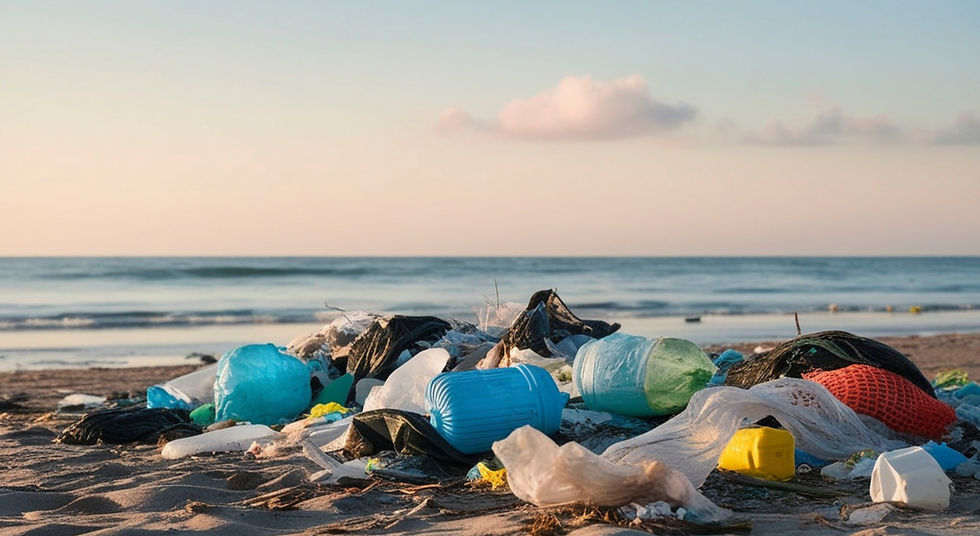
Over 45 billion menstrual products are used every year worldwide
In the UK alone, around 200,000 tonnes of menstrual waste is generated annually
Most of this waste ends up in landfill or incineration
What makes this worse is that the majority of these products contain plastic.
What Are Period Products Made Of?
Many people assume pads and tampons are mostly cotton — but that’s not entirely true.
Most disposable products contain:
Plastic backings (polyethylene)
Super absorbent polymers (SAPs)
Synthetic fibres (rayon, polyester)
Adhesives and fragrance chemicals
Plastic applicators and wrappers
In fact, a single pad can be up to 90% plastic.

How Long Do Period Products Take to Decompose?
This is where the real environmental impact becomes clear.
Pads: 500–800 years
Tampons: up to 6 months (but applicators much longer)
Plastic components: hundreds of years
Because they contain plastic, most period products don’t fully biodegrade — they simply break down into microplastics.
The Problem With Flushing Products
Flushing tampons, pads, or wipes might seem convenient, but it creates serious environmental issues.
Causes sewage blockages (fatbergs)
Contributes to marine pollution
Products often end up in oceans and rivers
Even products labelled “flushable” can still cause damage.

Environmental Impact Beyond Waste
The issue isn’t just disposal — it’s also production.
Manufacturing disposable period products involves:
Water consumption (especially cotton farming)
Energy use in production
Carbon emissions from transportation
Chemical processing
So the environmental impact spans the entire lifecycle:👉 Production → Packaging → Use → Disposal
Are There More Sustainable Alternatives?
Yes — and this is where things are changing.
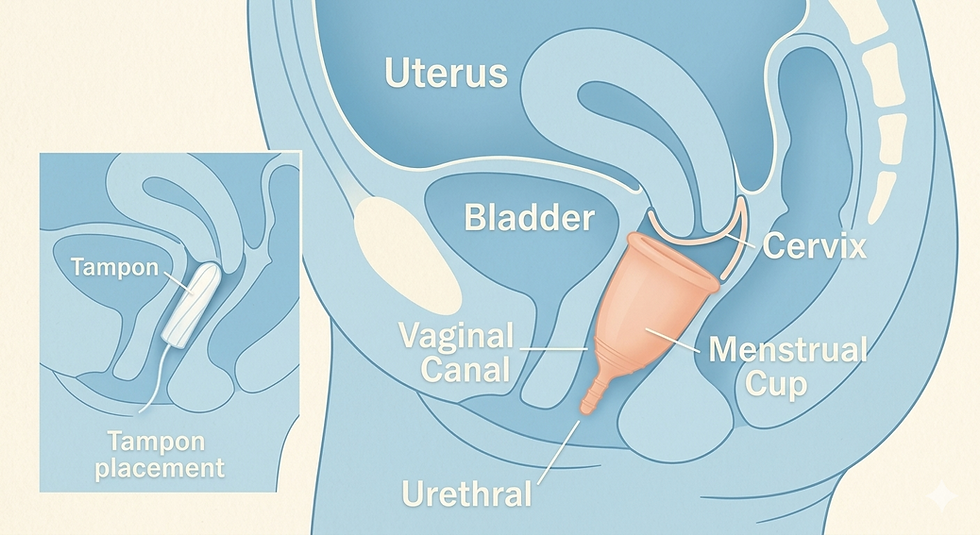
1. Menstrual Cups
Reusable for up to 10 years
Made from medical-grade silicone
Produces almost zero waste
2. Reusable Pads
Washable and long-lasting
Made from fabric instead of plastic
3. Period Underwear
Built-in absorbent layers
Can replace multiple disposable products

How Much Waste Can You Save by Switching?
Switching to reusable options can make a huge difference.
For example:
One menstrual cup can replace thousands of tampons or pads
Over 10 years, that’s thousands of products kept out of landfill
Even switching partially (e.g. using a cup + liners) can significantly reduce waste.
Why Awareness Matters
Many people simply don’t know the environmental impact of period products — because it’s rarely talked about.
By increasing awareness:
People can make informed choices
Brands are pushed to create better alternatives
Waste can be reduced at scale
Final Thoughts
Period care is essential — but the way we manage it is evolving.
Disposable products have been the norm for decades, but they come with a hidden environmental cost that adds up over a lifetime.
The good news?There are now simple, realistic alternatives that allow you to reduce waste without sacrificing comfort or convenience.
Even small changes can have a big impact — for you and for the planet.
Looking to reduce waste without overcomplicating your routine?
Explore our reusable menstrual cup range designed for comfort, simplicity, and everyday confidence.

Comments