The "Period Revolution": Is Your Cycle Costing the Earth?


We talk about bamboo toothbrushes, glass meal-prep containers, and skipping the plastic straw. But there is one "disposable" habit many of us have been repeating every single month since puberty without a second thought: the traditional period product.
If you’ve ever looked at a trash can full of plastic applicators and synthetic pads at the end of a week and felt a pang of "eco-guilt," you aren’t alone. But are period products actually bad for the planet, or is it just another thing for us to worry about?
Let’s dive into the messy truth.
1. The 500-Year Problem
The average person uses between 5,000 and 15,000 pads and tampons in their lifetime. That sounds like a lot, but here’s the kicker: a single conventional sanitary pad contains as much plastic as five grocery bags.
Because these products are a mix of bleached cotton, rayon, and plastic, they don't just "go away." A pad used today will likely still be sitting in a landfill in the year 2526.
2. The Secret Life of a Tampon
It isn't just about the landfill. Most tampons come wrapped in plastic, with a plastic applicator, inside a box wrapped in... you guessed it, plastic.
The "Flushing" Fiasco: Millions of tampons and liners are flushed down toilets every year. They don't dissolve; they contribute to "fatbergs" in sewers and eventually wash up on our beaches, harming marine life.
Chemical Footprint: Traditional products are often bleached with chlorine to get that "sterile" white look. This process can release dioxins—persistent environmental pollutants—into the water and soil.
The Good News: You Have Options (and they're actually better)

The "Period Revolution" isn't about suffering through a messy week; it’s about better technology. Modern sustainable options aren't just greener—they are often more comfortable and cheaper in the long run.
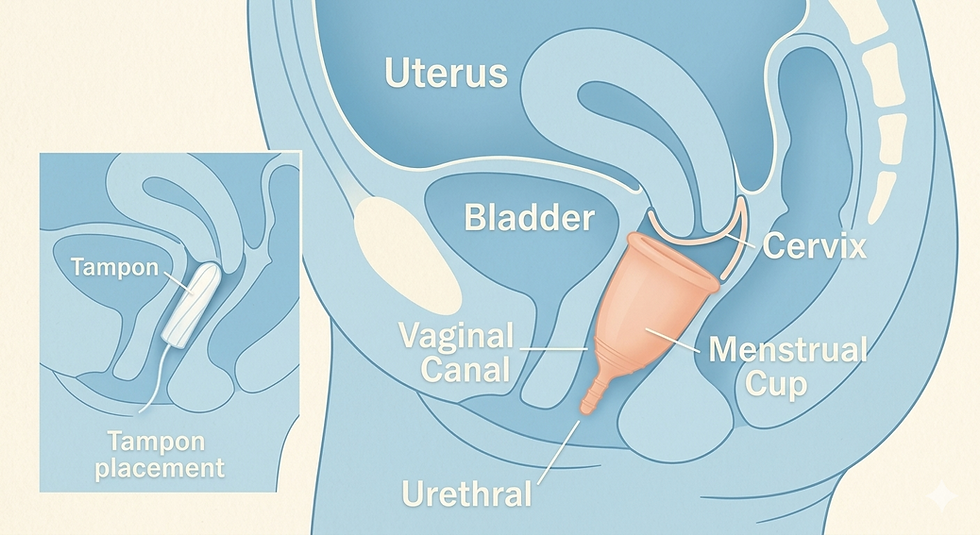
The Menstrual Cup: The MVP of sustainability. One medical-grade silicone cup lasts up to 10 years. Imagine 10 years without buying a single box of tampons.
Period Underwear: It looks like regular lingerie but features hidden, high-tech absorbent layers. Perfect for light days or as a "safety net" for beginners.
The Menstrual Disc: Great for those who find cups a bit tricky. They sit higher up and can even be worn during "mess-free" period sex.
Organic Disposables: If reusables aren't for you, switching to 100% organic cotton, plastic-free disposables is a massive win for the Earth.
The "Cost" of Going Green
People often hesitate because a menstrual cup costs £30–£40 upfront. But let’s do the math:
Over 10 years, you’ll spend roughly £1,200 on disposable products.Or, you can spend £40 once.
The planet saves a mountain of plastic, and you save enough for a decent vacation.
The Verdict
Are period products bad for the planet? Traditional ones are. But your cycle doesn't have to be a pollutant. Whether you go full "zero-waste" or just switch to plastic-free tampons, every small change adds up to a much lighter footprint.
Ready to make the switch?
Indulge can help you find a cup with our quiz or guide you on how to clean and look after your menstrual cup!

Comments